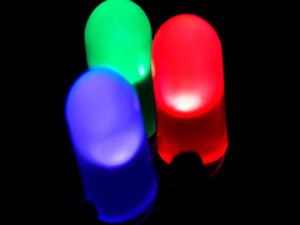
Isamu Akasaki and Hiroshi Amano at Nagoya University, Japan, and Shuji Nakamura of the University of California at Santa Barbara have won the Nobel prize in physics for the invention of blue light-emitting diodes – an energy-efficient and environment-friendly light source.
The laureates triggered a transformation of lighting technology when they produced bright blue light from semiconductors in the 1990s, something scientists had struggled with for decades, the Nobel committee said.
“As about one-fourth of world electricity consumption is used for lighting purposes, the LEDs contribute to saving the Earth’s resources,” the committee commented.