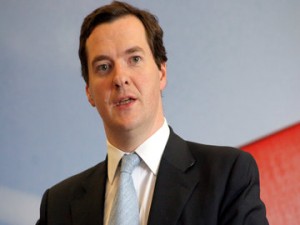
Chancellor George Osborne’s last Budget before the 2015 election has received largely negative responses from green organisations, apart from some praise from the housebuilding industry.
Chief Executive of British Property Federation Melanie Leech told Green Building Press:
“The Federation was an early proponent of housing zones and we are pleased to see their rollout and the Government’s increased ambition to introduce them on brownfield sites. Spending cuts have meant that support for brownfield development all but disappeared during the recession. Housing Zones are welcome recognition that we can deliver significant amounts of desperately-needed housing on brownfield land, but that this will often need both central Government support and clarity of purpose at local level.”
Ben Warren, Environmental Finance Partner at Ernest and Young said:
“At a time when other forms of renewable energy, such as solar, have become affordable and quick to deploy, it is interesting to see the Chancellor focusing on an ambitious, but costly new project. What we have seen in the market is that the very slow passage of market reform and the late introduction of the CfD (Contract for Difference) regime has made it very difficult for developers to sanction investment in new projects. It would be hugely beneficial for the UK renewables sector to see the same level of support for already proven and cost effective renewables.”
WWF-UK were similarly critical, David Nussbaum said:
“Opportunity knocked but the Chancellor only partially opened the door to greener, smarter growth. Backing for Swansea’s new tidal lagoon recognises that clean energy is an essential part of our future. But a greener budget would have sent a much clearer message that dirty fuels need to be phased out, rather than offering them tax breaks. The Chancellor could have created jobs and boosted growth through long-term incentives for clean technologies. Giving the Green Investment Bank access to private capital would help more enterprises prosper. And reasserting the role of the Natural Capital Committee would ensure more prudent management of the natural resources on which our economy depends. With the threat posed by climate change and environmental degradation, we face a global challenge that our political leaders must address head on. As we approach the general election all parties should put green economics front and centre of their manifestos.”
Friends of the Earth commented:
“Massive new tax breaks for dirty gas and oil highlights how out of touch the Government is on climate change. George Osborne announced a package of support, including tax breaks, worth £1.3 billion to boost North Sea gas and oil. Friends of the Earth has calculated that previous tax breaks in this Parliament have already been worth over £3 billion to the industry.”