The Cre8 barn retrofit was designed and developed by Passivhaus specialist firm Green Building Store, and involved the upgrading and refurbishment of a derelict cow barn into an eco-exemplar educational centre and space. The project was designed to the exacting EnerPHit standard (a variation of the low energy Passivhaus standard, specifically designed for retrofits).
A super-insulated timber frame structure was built inside the existing stone barn building (effectively a ‘box within a box’), preserving the outward appearance of the barn, whilst ensuring high levels of airtightness and continuous insulation. The timber frame structure has the additional advantage of supporting and shoring up the original stone building.
Green Building Store Director Bill Butcher commented: “It is a great honour and privilege to receive the award, which is voted for by technical experts and practitioners within the UK Passivhaus community. We hope that the technical solutions we came up with at the project can offer a useful template for bringing historic and older buildings up to 21st century energy efficiency levels.”
Rob Stoneman, Chief Executive, Yorkshire Wildlife Trust commented: “Yorkshire Wildlife Trust are delighted that Stirley Community Farm’s Cre8 Barn has won the ‘Retrofit Projects’ UK Passivhaus Award 2015. The Farm was always intended to be an exemplar – a place to change thinking by demonstrating the possible. There is no greater challenge to humanity than the prospect of chaotic climate change. Passivhaus is leading the way in addressing that challenge and we are extremely chuffed we can demonstrate that at Stirley.”
]]>The guidelines have been set in order for developers to meet specific standards for the building and procurement of sustainable temporary structures at the event.
Many of the 96 commissioned pavilions at the exposition generate its own source of energy. Solar panels are the most popular solutions with designers, as 35 of the structures contain sustainable amenities, such as solar water heaters.
Photovoltaic technology is also a popular method of creating clean energy at the expo, with Gloria Zavatta, an organizer for sustainability programs at the event confirming that 11 of the pavilions feature photovoltaic panels.
Once the expo finishes on 31st October, most of the pavilions will be disassembled, allowing the materials of 83 buildings to be used for other projects or recycled. Zavatta hopes that the 13 buildings will also be recycled.
Pavilion designers have the opportunity to be even greener, as the voluntary “Towards a Sustainable Expo” programme has also been put forward by the Expo Milano organisers.
Pavilions with the best sustainability programme will receive a leadership award based on the building design and whether sustainable materials were used, as well as their food and beverage services, furniture, merchandise, and event programming
]]>“As a science teacher, I’m passionate about educating others on the importance of sustainable practices, and Green Boot Camp gives me the practical tools and techniques to bring these concepts to life for my students,” said Rob Rand, district program facilitator forMinneapolis Public Schools and a Green Boot Camp facilitator, as well as a past attendee. “I’m excited to once again be a part of this dynamic program and help other participating teachers bring these essential learnings back to their classrooms.”
The workshop curriculum includes hands-on learning on a range of topics — from renewable energy technologies to green building materials. And each subject is paired with expert-led activities to demonstrate these concepts in action. For example, teachers will assemble and race solar cars, identify “energy vampires” and build wind turbines. Following the exercises, teachers convene to discuss how to apply the ideas in their classrooms.
Now in its seventh year, Green Boot Camp is made possible by Honeywell Hometown Solutions, the company’s corporate citizenship initiative that focuses on five areas of vital importance to communities around the world: science and math education; habitat and conservation; family safety and security; housing and shelter; and humanitarian relief.
In addition to teachers from the United States, educators from Australia, Brazil, China, Czech Republic, India, Mexico, Philippines,Puerto Rico, Turkey and the United Kingdom are part of this year’s Green Boot Camp class. More than 850 teachers applied for the workshop, and those selected to attend received a scholarship from Honeywell that covers travel and accommodations.
“Energy efficiency, water conservation and air quality are critical issues facing our global community,” said John Rajchert, president ofHoneywell Building Solutions. “Green Boot Camp enables us to work closely with teachers to give them innovative tools to engage students and help ensure future generations understand the importance of sustainable practices.”
]]>
Max Fordham
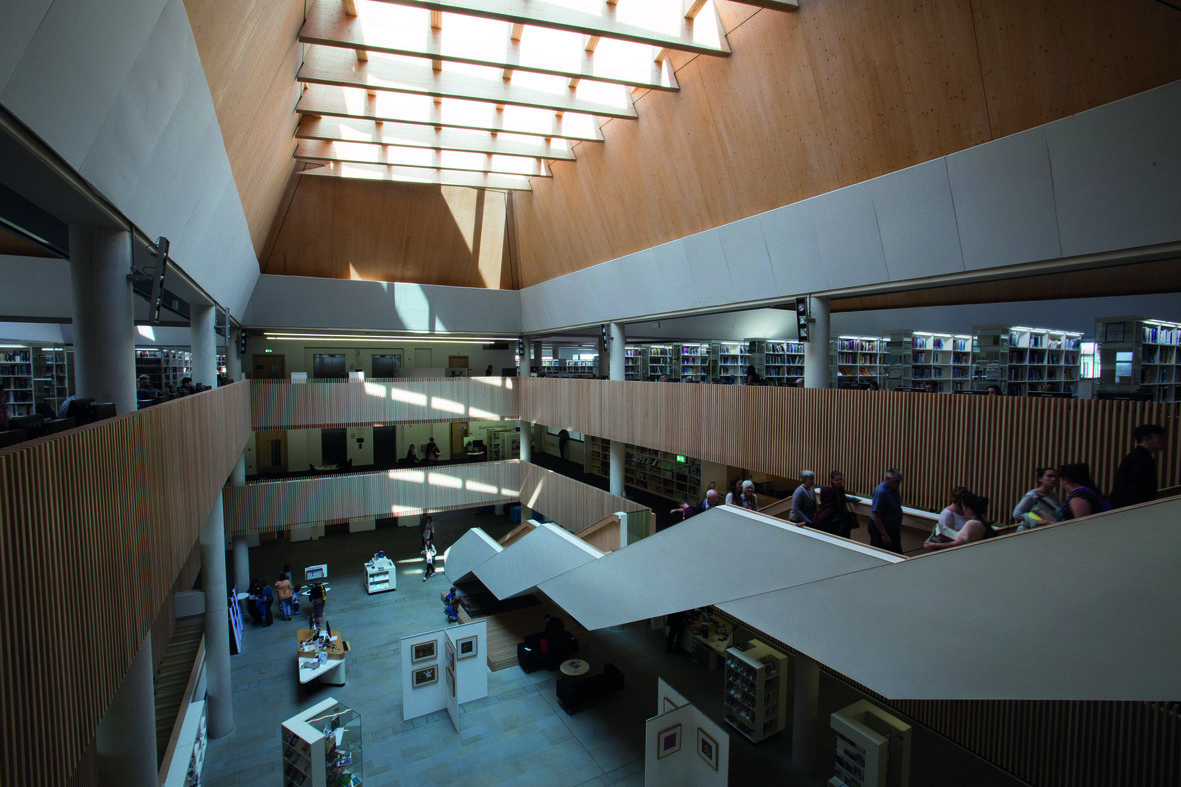
UK Gold Award and Ashden Award for Sustainable Buildings, supported by the Garfield Weston Foundation
Max Fordham has spent nearly 50 years developing sustainable building services, working closely with architects to create beautiful buildings with the highest standards of energy efficiency. The results are impressive: clients are able to cut their carbon emissions by up to 50% through increasing natural light and ventilation and installing energy-efficient equipment and insulation. The company has also pushed the concept of ‘soft landings’, working closely with occupants to make sure their new buildings work as efficiently as possible, and helping tackle what’s often a huge gap between the way buildings are designed and how they are actually used.
Demand Logic
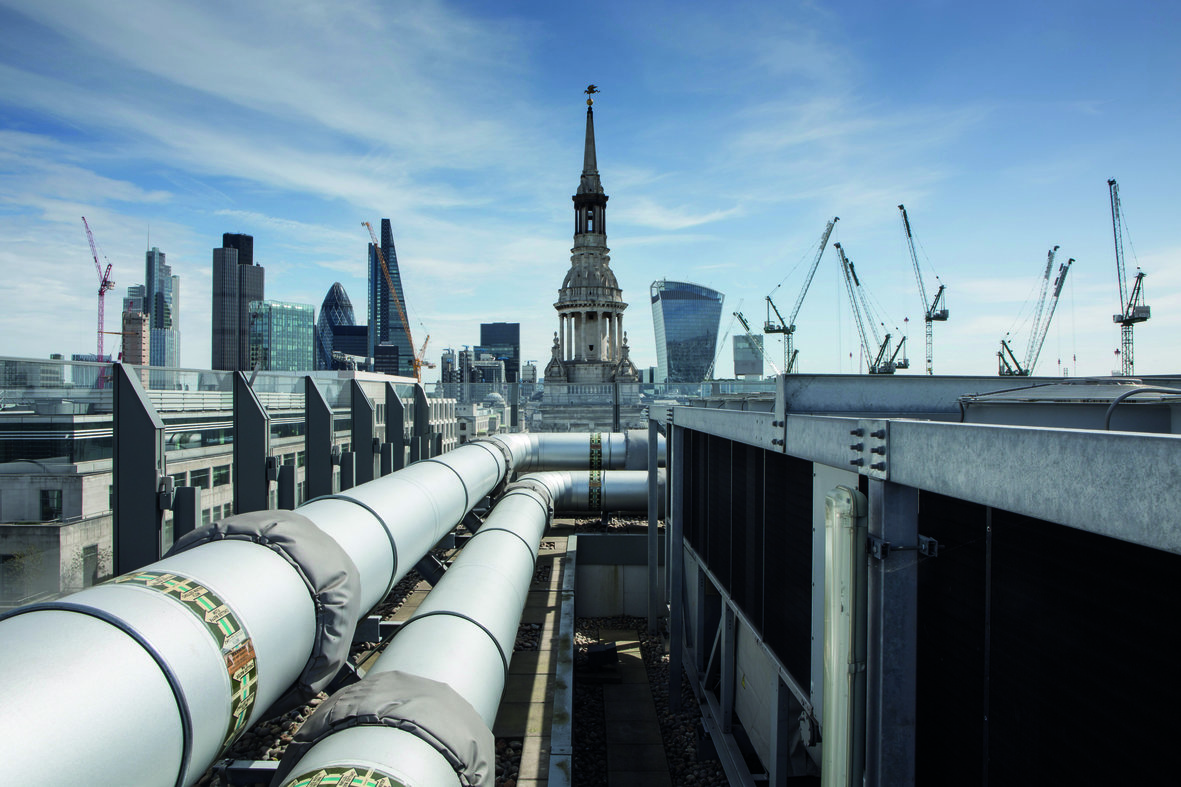
Impax Ashden Award for Energy Innovation
Mining the information generated by most building management systems (BMS) found in large commercial buildings is usually like looking for a needle in a haystack. Many businesses waste huge opportunities to save energy and money. But Demand Logic has created a cloud-based system that plugs into the BMS and quickly identifies what it describes as ‘energy insanities’, like rooms being heated and cooled at the same time, or faulty equipment. Demand Logic then works with the building management team to develop a plan to fix them. This can generate huge savings: one of Demand Logic’s clients, Kings College in London, has cut an estimated £390,000 off its annual energy bill.
London Borough of Islington: SHINE
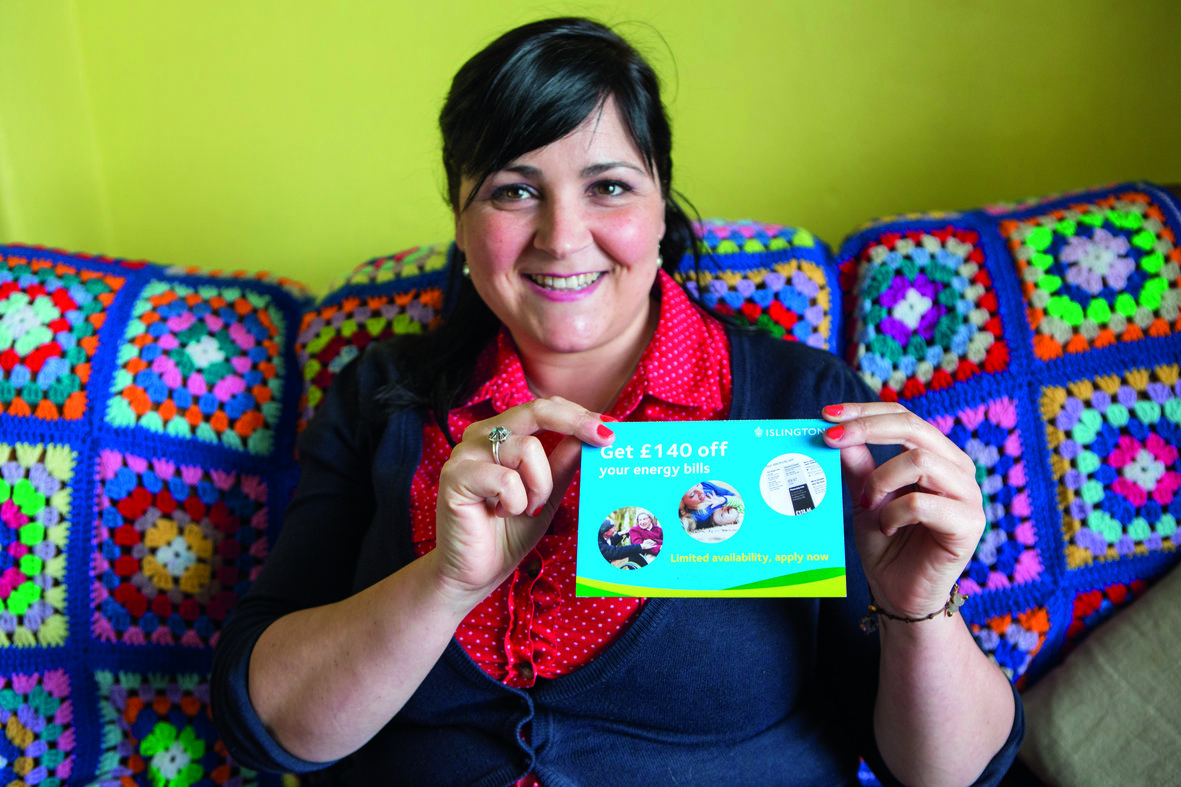
Ashden Award for Reducing Fuel Poverty, supported by the Coutts Foundation
Living in a cold, damp home makes respiratory illnesses and many other chronic health conditions worse. The London Borough of Islington’s Seasonal Health Intervention Network (SHINE) links up 86 local organisations in an integrated approach to tackling fuel poverty and improving the wellbeing of its most vulnerable residents. Member organisations, from GP surgeries and health visitors to housing and community organisations, refer vulnerable people to the SHINE team. The team then steps in with advice on fuel debt and energy efficiency, as well as helping residents access discounts on fuel bills and grants for new boilers. With residents saving an average of £200 each on annual fuel bills, SHINE is also easing the pressure on local health budgets.
TGV Hydro
Ashden Award for Community Energy, supported by the Esmée Fairbairn Foundation
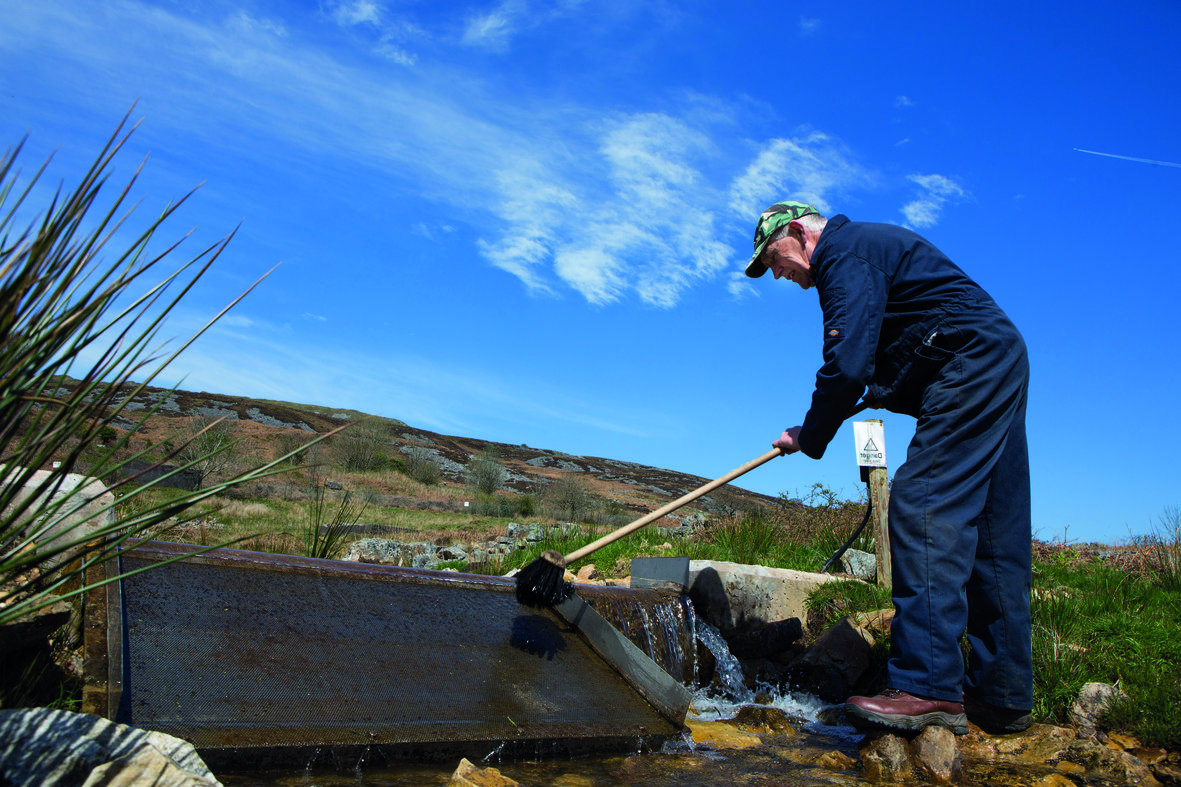
With an abundance of hills and streams, rural Wales is the ideal location for generating sustainable electricity from hydro power. But many potential sites are too small for the big hydropower developers to touch. TGV Hydro, wholly owned by The Green Valleys CIC, is filling this gap. It’s developing micro-hydro projects for private and community ownership across South Wales, working closely with the local authority to create a model of micro-hydro that could be replicated elsewhere. Local labour is used to build projects where possible, and TGV has helped a new manufacturer of hydro turbines to start up. The renewable electricity generated can be sold into the national grid, so farmers and communities can diversify their income.
]]>The rating has been given on achieving all prerequisites under five environmental categories as defined by IGBC Green Existing Categories Buildings which include – site and facility management, water efficiency, energy efficiency, health and comfort and innovation.
Lee Fu Nyap, CEO, Ascendas India Operations, said, “This is a proud moment for Ascendas and the V team. To be first platinum rated IT park in the country makes it even more special. Five of our eight operational IT parks have won green awards for various environment friendly initiatives and this speaks volumes about our commitment towards responsible and sustainable development.”
]]>The Australian-based awards programme recognises interior designers and architects who have made outstanding contributions to creating green interiors.
According to Architecture & Design, Australian Living’s managing director Cameron Rosen observes that “the global green building and interiors industry continues to provide innovation and sustainable solutions, enabling people to benefit from healthier environments”, adding that “that International Green Interior Awards provides a platform that inspires and educates all stakeholders.”
This year’s sponsors include BMW Australia, Lend Lease, Auswest Timbers, The Rug Collection, Brightgreen, PodPlants and KE-ZU.
]]>Launched in 2014, the Future Green Leader Award recognises and rewards emerging leaders with creative ideas and true commitment to building a sustainable property and construction industry.
“The Future Green Leader Award is about applauding the rising stars of our industry who have the potential to make a real impact with their passion, commitment and leadership,” says the GBCA’s Chief Executive Officer, Romilly Madew.
Last year’s winner was Rory Martin, National Sustainability Manager with dwp | Suters, who says winning the award really helped to further his career.
“I’ve been able to meet with industry leaders in sustainability, and have been guided by an exceptional mentor who has given me the confidence to push my career to even greater heights,” Martin says.
“It’s vitally important that senior leaders support and develop the next generation of leaders – as each and every one is a green leader in the making. The Future Green Leader program has been a fantastic opportunity for me – and it can be for other up-and-coming sustainability specialists across the industry,” Martin says.
The Future Green Leader Award is supported and judged by program sponsors Australand and Interface, and the call for this year’s entries opens on 1 June 2015.
“Rory has been an exceptional ambassador for the Future Green Leaders program over the last year, and his drive and determination to create better, more sustainable buildings is a reminder of the depth of talent and knowledge in our industry. We are excited to be working with the GBCA again this year to support this important award,” says Paolo Bevilacqua, Australand’s National Sustainability Manager.
“We’re committed to sustainability at Interface. The Future Green Leader Award is an exciting platform for us to promote the critical role that our industry’s future leaders will play in creating a sustainable built environment for us all,” Interface’s Managing Director, Clinton Squires, adds.
Applicants must outline – using written, video or visual media – what drives their interest in sustainability. Applicants must be under the age of 30 to be eligible, and be members of the GBCA’s Future Green Leaders program, which is free to join. Award applications are open until 14 August 2015 at 5pm AEST.
The winner will receive a one year VIP pass to unlimited GBCA events, courses, site tours and online learning, a coveted speaking spot at Green Building Day 2016, three mentoring sessions with an industry leader plus recognition as the Future Green Leader 2015.
]]>“There was an incredible amount of interest”, English revealed, responding to a question about how Greenbuild’s Host Committee was selected. “We received 200 applications, which were scored on criteria such as Chapter involvement, experience with event planning, fundraising marketing, and social media and employer support. Host Committee Co-Chairs Kim Pexton and Jessica Long, two Board Members and I made the final selections. We chose 100 volunteers who serve on six sub-committees. Each committee has two co-chairs and between eight and twelve members.
English also revealed which areas are addressed by the 6 sub-committees:
- Green tours: responsible for organizing half- and full-day green project tours throughout the DC area
- Volunteers: responsible for recruiting 500-800 student volunteers to support the conference
- Legacy project: responsible for delivering a community service project which serves as a permanent “Thank you” for the host city of Washington, DC. Previous projects include the Energy Efficiency Educational Center in New Orleans (2014), the Smith Memorial Playground & Playhouse in Philadelphia (2013) and the Tenderloin Community Garden and the Potrero Hill Texas Street Farm in San Francisco (2012).
- Greening: responsible for using the buying power of Greenbuild to effect change in the local market. For example, with thousands of attendees, millions of dollars will be spent in the local economy. This committee is focused on encouraging the area restaurant industry to commit to sustainable choices and changes that could then be publicized to attendees.
- Local Partners: responsible for selecting 20 local trade associations or non-profits that will help spread the word about Greenbuild through their networks, newsletters and distribution lists
- Sponsorship: responsible for finding sponsors for the various Greenbuild activities such as the green tours, the Legacy Project and a volunteer appreciation event
“I love seeing the enthusiasm of all the volunteers who want to be involved. It’s been great to have engagement with new members and partners. We plan to keep this Greenbuild momentum going, even after the 2015 conference is over”, English added.
]]>
Members of UK-GBC are eligible to nominate a city, building, or company for the awards. Nominations can be submitted in three categories:
- Leadership in Building Design and Performance
All projects nominated must have been operational for at least twelve months but no longer than three years, and must be verified by an independent, impartial, third party. This can include a certifying body or national Green Building Council. Projects may include new construction single buildings, major retrofit or multiple building projects. - Business Leadership in Sustainability
The purpose of this award is to celebrate companies that have made sustainability (social, economic and environmental) part of their core business model and are contributing to the transition towards a sustainable built environment across the buildings value chain. In order to be eligible to apply, the core business of the company must be directly contributing to the building sector. - Public Sector Leadership in Green Building
In order to be eligible to receive an award, the policy or initiative being nominated must be public sector led and directly related to shifting the building industry towards sustainability. This can include initiatives such as city level green building policies, university campus wide sustainability strategies, green school curriculum, etc. This nomination is for WorldGBC’s Europe region awards, which address the broader public sector, however if the public sector initiative you are nominating is a city or district level green building policy, it will also be automatically eligible to participate in WorldGBC’s Global Government Leadership Award in 2015.
Winners will be announced at the Greenbuild Verona, Italy in October 2015.
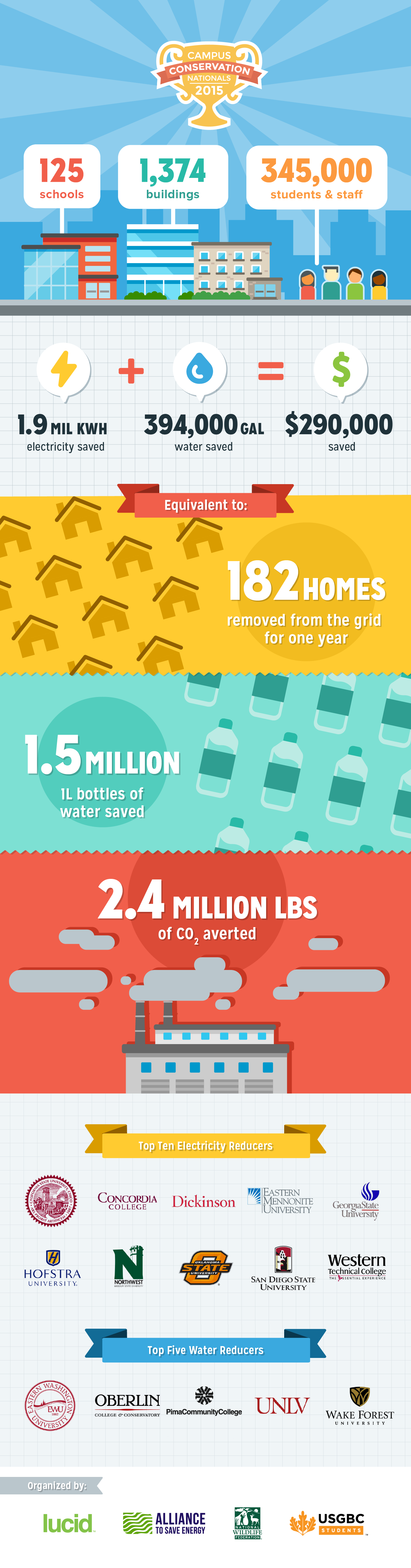
]]>From Feb. 1 through April 30, 2015, students and staff competed to achieve the greatest reductions in their residence halls’ energy use over a three-week period.
In its fifth year, more than 343,000 students and staff across 125 colleges and universities participated in CCN 2015, which saved the schools more than $290,000 in electricity and water in just three weeks. Over the five years of the competition, CCN participants have saved 6 million kilowatt hours (six GWh) of electricity, equivalent to averting more than 9 million pounds of CO2 from the atmosphere. Check out the infographic below: